Cybersecurity

Free password login sign vector

Have you ever been concerned about your credit card or personal data getting stolen while shopping online? You’re not alone. Each holiday season, as millions of shoppers flock online for convenience, hackers ramp up their activity. The Federal Trade Commission (FTC) has warned that scammers often create fake shopping websites or phishing emails to steal consumers’ money and personal information, especially during the holidays.If you’re planning to shop this holiday season, now is the perfect time to boost your online security. Two simple tools, password managers and virtual cards, can make a big difference. But how exactly? This article will show you how to use them to enjoy zero-risk online holiday shopping.Why People Prefer Password Managers and Virtual Cards for Online ShoppingShopping online is quick, easy, and often cheaper than going to physical stores. However, it is fraught with security risks. Many people now use password managers and virtual cards
Free phishing scam website vector

During an era of digital transformation, data and security are king. That is why, as cyber threats evolve in this age of digital transformation, businesses need to be prepared. Credential theft has become one of the most damaging cyber threats facing businesses today. Whether through well-crafted phishing scams or an all-out direct attack, cybercriminals are continually honing their skills and adapting their tactics to gain access to system credentials. They seek to compromise the very fabric of the corporate digital landscape and access sensitive corporate resources.The stakes are incredibly high. According to Verizon’s 2025 Data Breach Investigations Report, over 70% of breaches involve stolen credentials. The implications for businesses of every size are crippling financial loss and reputational damage. The days of relying solely on passwords to secure systems and devices are long gone. With the new age of cyber threats lingering just beyond the gates, organizations have to take

Free hacker computer programming vector

Sometimes the first step in a cyberattack isn’t code. It’s a click. A single login involving one username and password can give an intruder a front-row seat to everything your business does online. For small and mid-sized companies, those credentials are often the easiest target. According to MasterCard, 46% of small businesses have dealt with a cyberattack, and almost half of all breaches involve stolen passwords. That’s not a statistic you want to see yourself in.This guide looks at how to make life much harder for would-be intruders. The aim isn’t to drown you in tech jargon. Instead, it’s to give IT-focused small businesses a playbook that moves past the basics and into practical, advanced measures you can start using now.Why Login Security Is Your First Line of DefenseIf someone asked what your most valuable business asset is, you might say your client list, your product designs, or maybe your brand

Free internet security digital vector

Your office thermostat, conference room speaker, and smart badge reader are convenient, but they’re also doors into your network. With more devices than ever in play, keeping track can be tough, and it only takes one weak link to put your entire system at risk.That’s why smart IT solutions matter now more than ever. A trusted IT partner can help you connect smart devices safely, keep data secure, and manage your whole setup without stress.Here’s a practical guide designed for small teams getting ready to work with connected tech.What is IoT?IoT, or the Internet of Things, is all about physical devices, like sensors, appliances, gadgets, or machines, being connected to the internet. These smart tools can collect and share data, and even act on their own, all without needing someone to constantly manage them. IoT helps boost efficiency, automate tasks, and provide useful data that leads to smarter decisions for

Picture this: your business’s front door is locked tight, alarm systems are humming, and firewalls are up, but someone sneaks in through the back door, via a trusted vendor. Sound like a nightmare? It’s happening more often than you think. Cybercriminals aren’t always hacking directly into your systems anymore. Instead, they exploit the vulnerabilities in the software, services, and suppliers you rely on every day. For small businesses, this can feel like an impossible puzzle. How do you secure every link in a complex chain when resources are tight?That’s where reliable IT solutions come in. They help you gain visibility and control over your entire supply chain, providing the tools to spot risks early and keep your business safe without breaking the bank.A report shows that 2023 supply chain cyberattacks in the U.S. affected 2,769 entities, a 58% increase from the previous year and the highest number reported since 2017.The

a-person-typing-on-laptop

For small businesses navigating an increasingly digital world, cyber threats aren’t just an abstract worry, they’re a daily reality. Whether it’s phishing scams, ransomware attacks, or accidental data leaks, the financial and reputational damage can be severe. That’s why more companies are turning to cyber insurance to mitigate the risks.Not all cyber insurance policies are created equal. Many business owners believe they’re covered, only to find out (too late) that their policy has major gaps. In this blog post, we will break down exactly what’s usually covered, what’s not, and how to choose the right cyber insurance policy for your business.Why Is Cyber Insurance More Crucial Than Ever?You don’t need to be a large corporation to become a target for hackers. In fact, small businesses are increasingly vulnerable. According to the 2023 IBM Cost of a Data Breach Report, 43% of all cyberattacks now target small to mid-sized businesses. The

Free cybersecurity security authentication vector

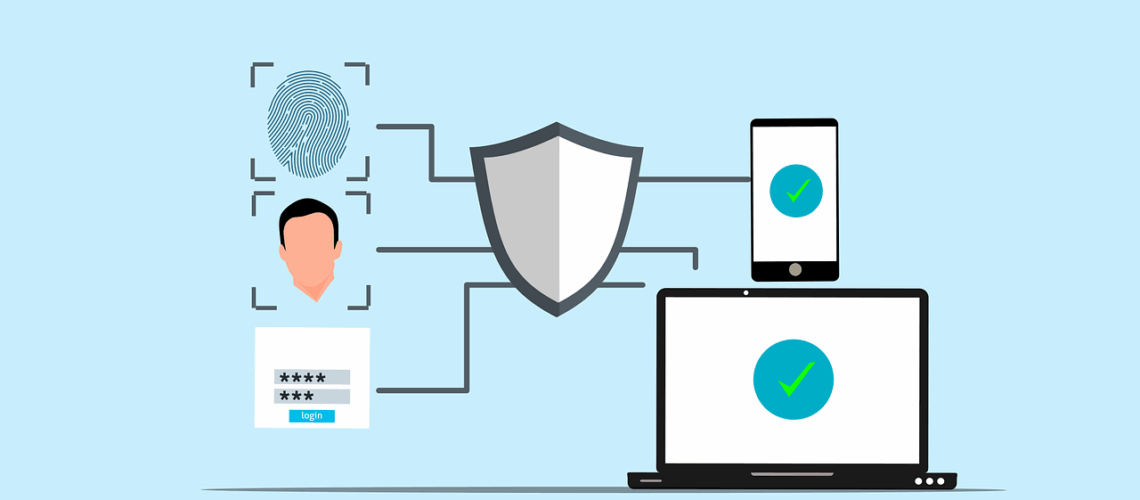
Have you ever wondered how vulnerable your business is to cyberattacks? According to recent reports, nearly 43% of cyberattacks target small businesses, often exploiting weak security measures. One of the most overlooked yet highly effective ways to protect your company is through Multi-Factor Authentication (MFA). This extra layer of security makes it significantly harder for hackers to gain access, even if they have your password. This article explains how to implement Multi-Factor Authentication for your small business. With this knowledge, you’ll be able to take a crucial step in safeguarding your data and ensuring stronger protection against potential cyber threats.Why is Multi-Factor Authentication Crucial for Small Businesses?Before diving into the implementation process, let’s take a step back and understand why Multi-Factor Authentication (MFA) is so essential. Small businesses, despite their size, are not immune to cyberattacks. In fact, they’re increasingly becoming a target for hackers. The reality is that a single compromised

crop-cyber-spy-hacking-system-while-typing-on-laptop

The digital age has made our lives easier than ever, but it has also made it easier for hackers to take advantage of our online weaknesses. Hackers are getting smarter and using more creative ways to get into people’s personal and business accounts. It’s easy to think of weak passwords and phishing emails as the biggest threats, but hackers also use a lot of other, less well-known methods to get into accounts. This post will talk about seven surprising ways hackers can get into your accounts and how you can keep yourself safe.What Are the Most Common Hacking Techniques?Hacking methods have changed a lot over the years, taking advantage of advances in technology and tricks people are good at. Hackers still use brute force attacks and other old-fashioned methods to get around security measures, but they are becoming more sophisticated.One very common way is social engineering, in which hackers trick

Free computer data digital vector

Websites store and use user data in many ways, usually to personalize content, show ads, and make the user experience better. This can include everything from basic data like the type of browser and IP address to more private data like names and credit card numbers. It’s important for people to know how this information is gathered, used, and shared. In this piece, we’ll talk about how websites use user data, the best ways to share data, and why data privacy is important.What Is Data Collection On Websites?It is normal for websites to collect data, which means getting information about the people who use them. This can be done in a number of ways, such as by using cookies, which store information on your computer so that they can recognize you on different websites. Websites also get information from the things people do on them, like when they click, scroll,

Free password login sign vector

Password spraying is a complex type of cyberattack that uses weak passwords to get into multiple user accounts without permission. Using the same password or a list of passwords that are often used on multiple accounts is what this method is all about. The goal is to get around common security measures like account lockouts. Attacks that use a lot of passwords are very successful because they target the weakest link in cybersecurity, which is people and how they manage their passwords. This piece will explain how password spraying works, talk about how it’s different from other brute-force attacks, and look at ways to find and stop it. We will also look at cases from real life and talk about how businesses can protect themselves from these threats.What Is Password Spraying And How Does It Work?A brute-force attack called “password spraying” tries to get into multiple accounts with the same password.

1 2 3 7