Nothing throws off your day like a frozen screen or a sluggish computer. If you run a small business, you’ve probably dealt with outdated tech more than once. Sure, squeezing extra life out of old equipment feels economical, but it often costs more in the long run. Small businesses lose approximately 98 hours per year, equivalent to 12 working days, due to technology concerns such as slow PCs and outdated laptops. That’s why having an IT refresh plan matters. It keeps your team running smoothly, avoids unexpected breakdowns, and helps you stay secure.Regardless of whether you outsource managed IT services or handle them in-house, a solid refresh strategy can save time, stress, and money down the line.Why Having a Strategy in Place is ImportantIt’s easy to ignore old hardware until something breaks. But when things start falling apart, you have no choice but to look for better parts, deal with downtime, or

Does it ever seem like your small business is overwhelmed with data? This is a very common phenomenon. The digital world has transformed how small businesses operate. We now have an overwhelming volume of information to manage employee records, contracts, logs, financial statements, not to mention customer emails and backups. A study by PR Newswire shows that 72% of business leaders say they’ve given up making decisions because the data was too overwhelming.If not managed properly, all this information can quickly become disorganized. Effective IT solutions help by putting the right data retention policy in place. A solid data retention policy helps your business stay organized, compliant, and save money. Here’s what to keep, what to delete, and why it matters.What Is a Data Retention Policy and Why Should You Care?Think of a data retention policy as your company’s rulebook for handling information. This shows how long you hold on to

The cloud can be your greatest asset or your biggest financial headache. One minute you’re deploying apps and scaling infrastructure, and the next you’re hit with a cloud bill that strains your budget.Sound familiar? It’s a common business problem. A study by Nextwork also shows that cloud spending is expected to increase by 21.5% in 2025 compared to 2024 globally. Cloud-based services provide small and mid-sized businesses (SMBs) with enterprise-grade tools along with flexibility and scalability. But without proper management, you risk overspending, underused resources, and surprise costs. Efficient small business IT solutions are extremely useful to avoid situations like these. Whether it’s through expert cost tracking, automated scaling, or optimized architecture, the right IT partner can help you succeed in the cloud and turn every dollar into real value.Let’s find out how to make cloud spending smart and not risky.Cloud Cost Optimization – Save More, Scale BetterCloud cost optimization is

Free Close-up of keyboard keys spelling 'BACKUP' placed on a coral-colored surface. Stock Photo

What would happen if your business lost all its data tomorrow? Would you be able to recover, or would it grind your operations to a halt? Every small business runs on data, which includes customer information, financial records, communications, product files, and more. Yet data security often falls to the bottom of the to-do list. According to the Federal Emergency Management Agency (FEMA), 40% of small businesses never reopen after a disaster, and another 25% shut down within one year. That’s a staggering 65% failure rate due to a lack of preparation. Here’s the good news. Protecting your data from disaster doesn’t require a dedicated IT team or an enterprise budget. With the right strategy, tools, and a little foresight, you can implement a backup and recovery plan that minimizes downtime and gives you peace of mind.In this blog post, we will discuss practical and easy-to-follow advice to help you protect

a computer keyboard with a padlock on top of it

The landscape of remote work has transformed dramatically over the past several years. What began as a reactive shift to keep operations going during a major global disruption has now solidified into a permanent mode of working for many organizations, especially small businesses. If you’re running a business in this evolving digital landscape, it’s not enough to rely on good intentions or outdated security protocols. To stay protected, compliant, and competitive, your security measures must evolve just as quickly as the threats themselves. In this article, we dive into advanced, up-to-date remote work security strategies tailored for 2025 to help you secure your business, empower your team, and protect your bottom line. Whether you’re managing customer data in the cloud, coordinating global teams, or simply offering hybrid work options, today’s remote operations come with complex security demands. What is the New Remote Reality in 2025?Remote and hybrid work has evolved from trends into

Free download cloud file download vector

Choosing the right cloud storage solution can feel a bit like standing in front of an all-you-can-eat buffet with endless options- so many choices, each promising to be the best. Making the wrong decision can lead to wasted money, compromised data, or even a productivity bottleneck. For small business owners, the stakes couldn’t be higher. Whether you’re dipping your toes into cloud storage for the first time or you’re a seasoned pro looking to optimize your current setup, we will walk you through this comprehensive guide to help you confidently select a cloud storage solution tailored to your business’s unique needs. Why Should Small Businesses Consider the Right Cloud Storage?Business operations have undergone a digital transformation. With remote work, mobile-first communication, and data piling up faster than ever, cloud storage is no longer optional. It’s a cornerstone of efficiency and resilience.According to a TechRepublic report, 94% of businesses saw marked improvements in

a-person-typing-on-laptop

For small businesses navigating an increasingly digital world, cyber threats aren’t just an abstract worry, they’re a daily reality. Whether it’s phishing scams, ransomware attacks, or accidental data leaks, the financial and reputational damage can be severe. That’s why more companies are turning to cyber insurance to mitigate the risks.Not all cyber insurance policies are created equal. Many business owners believe they’re covered, only to find out (too late) that their policy has major gaps. In this blog post, we will break down exactly what’s usually covered, what’s not, and how to choose the right cyber insurance policy for your business.Why Is Cyber Insurance More Crucial Than Ever?You don’t need to be a large corporation to become a target for hackers. In fact, small businesses are increasingly vulnerable. According to the 2023 IBM Cost of a Data Breach Report, 43% of all cyberattacks now target small to mid-sized businesses. The

Free cybersecurity security authentication vector

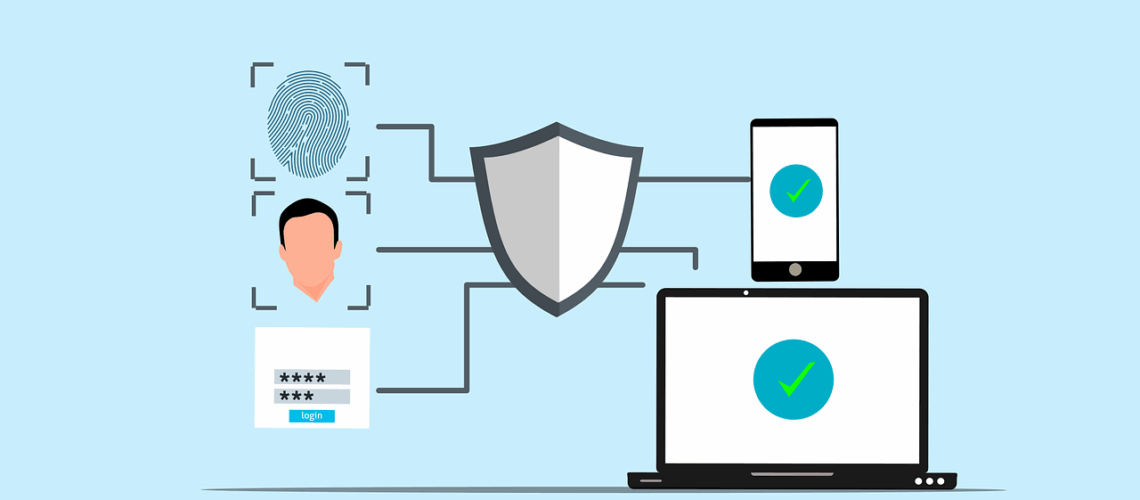
Have you ever wondered how vulnerable your business is to cyberattacks? According to recent reports, nearly 43% of cyberattacks target small businesses, often exploiting weak security measures. One of the most overlooked yet highly effective ways to protect your company is through Multi-Factor Authentication (MFA). This extra layer of security makes it significantly harder for hackers to gain access, even if they have your password. This article explains how to implement Multi-Factor Authentication for your small business. With this knowledge, you’ll be able to take a crucial step in safeguarding your data and ensuring stronger protection against potential cyber threats.Why is Multi-Factor Authentication Crucial for Small Businesses?Before diving into the implementation process, let’s take a step back and understand why Multi-Factor Authentication (MFA) is so essential. Small businesses, despite their size, are not immune to cyberattacks. In fact, they’re increasingly becoming a target for hackers. The reality is that a single compromised

A piece of cardboard with a keyboard appearing through it

Running a small business means wearing a lot of hats. These hats run from managing operations, handling customer inquiries to keeping everything running smoothly. There’s a solution that can lighten the load, AI-powered automation. Thanks to technological advancements, these tools have become more accessible and cost-effective than ever, allowing small business owners to automate tasks they previously had to handle manually.No need to break the bank or hire a large team. AI can handle much of your busy work, freeing you up to focus on more important aspects of your business. Whether you’re a solopreneur or managing a small team, AI can step in as your virtual assistant, improving efficiency and streamlining operations.If you’re looking to dive deeper into how AI can transform your business, this blog post discusses how you can automate daily tasks and free up your time. We will show you how to leverage affordable AI tools

person-using-silver-and-black-laptop-computer

Personal data protection is more important than ever in this digital world. The dark web is a secret part of the internet that is very dangerous because it is often used for illegal things like selling personal information. Because the dark web is decentralized and private, it is very hard to get rid of data that is already there. This article will go into detail about how hard it is to get data off of the dark web, how to keep your personal information safe, and other ways to make your online safety better. We’ll talk about what the dark web is, how hard it is to get rid of data, and what you can do to protect your identity.What is the Dark Web and How Does It Work?The dark web is a part of the internet that regular search engines don’t crawl, so you need special tools to get there.